Stay informed about new publication, projects, and events in urban studies.
↑ Top
Subscribe to our newsletter
Stay informed about new publication, projects, and events in urban studies.
Urban open spaces influence the climate in many different ways.
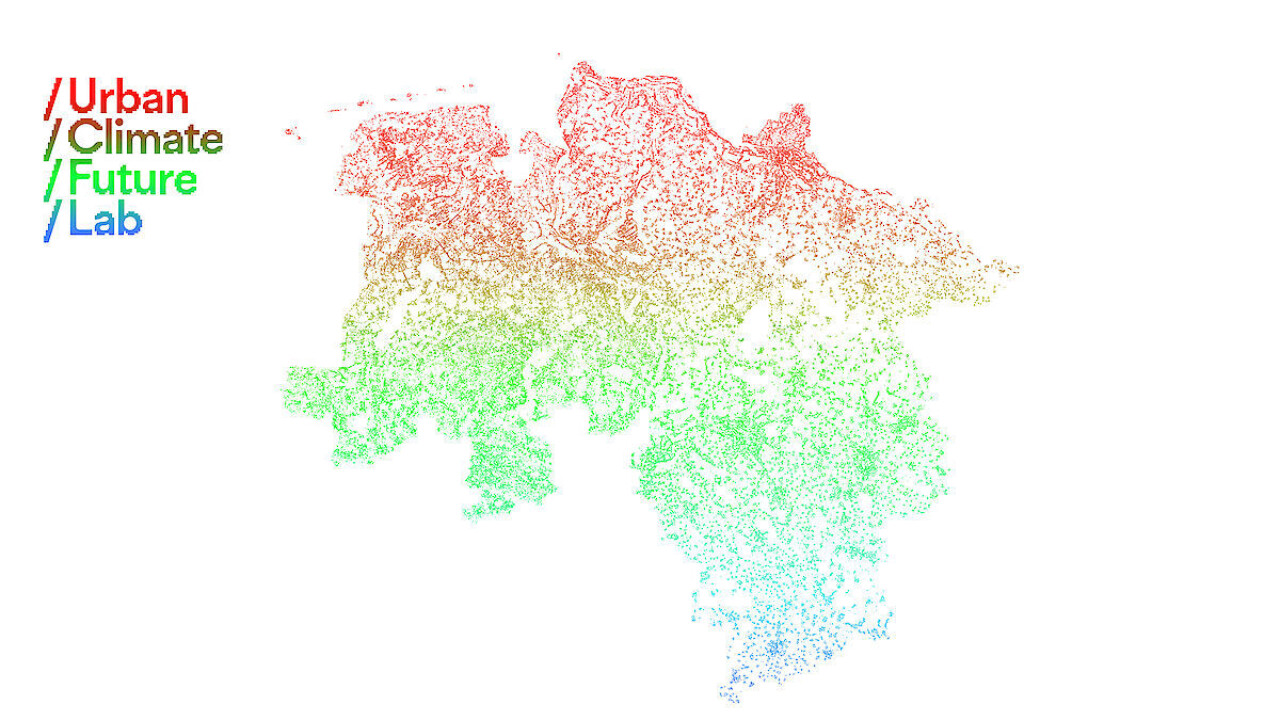
Green areas generally make a positive contribution – they can absorb rainwater, provide shade, and cool the environment through evaporation. However, not all open spaces are green: many areas are sealed and instead contribute to the heating of the city. The Urban Climate Future Lab research project is investigating the climatic effects of open spaces in Lower Saxony.
Our PhD candidate Dag-Ole Ziebell will present this topic as part of “Die Nacht, die Wissen schafft” at Leibniz University Hannover on 8 November 2025, from 20:00 to 21:00, in Building 4107 (Herrenhausen), Room 009 (Lecture Hall Kirchenkanzlei), Herrenhäuser Straße 2A, 30419 Hannover.
Dag-Ole Ziebell is a landscape architect with a strong background in gardening and landscaping, developed through an apprenticeship from 2013 to 2016. He holds a Bachelor’s degree in Landscape Architecture and Environmental Planning and a Master’s degree in Landscape Architecture from Leibniz University Hannover. Throughout his academic and professional journey, Dag-Ole Ziebell has gained hands-on experience in design, construction, and urban landscape development. Currently, Dag-Ole Ziebell is pursuing a PhD within the Urban Climate Future Lab and works as a research associate at Leibniz University Hannover. His research focuses on the climate impact of open spaces in Lower Saxony, with a specialization in the dynamic relationship between the human skin and landscape—an approach rooted in his Master’s thesis on skin-preventive landscape architecture.